What is Make-to-Order?
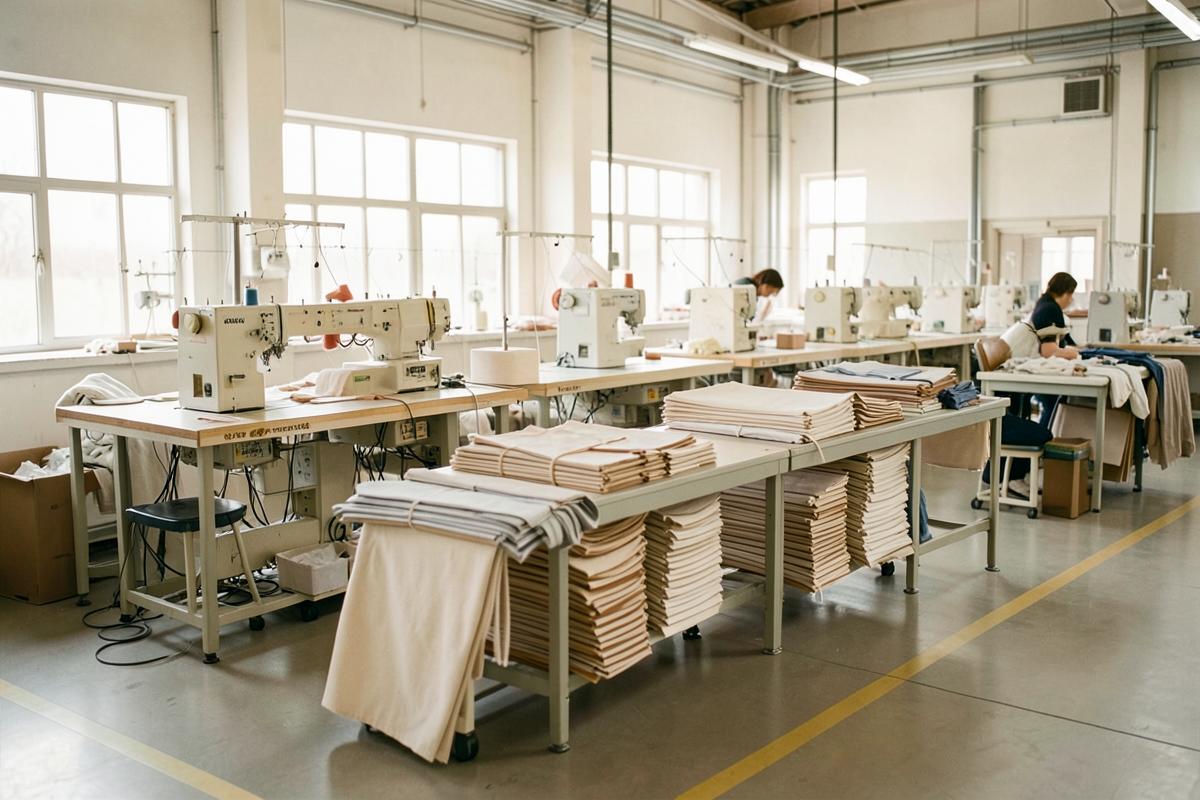
Make-to-Order means production starts after receiving a confirmed customer order. The basic flow is Customer Order → Materials → Purchasing → Production → Finished Goods → Fulfilment.
- Products are customised
- Demand is difficult to forecast
- Customers place specific quantities
- Finished-goods inventory is expensive to maintain
- The advantage is that production is closely linked to actual demand.
- The challenge is that delivery depends on material availability, purchasing and production capacity.
What is Make-to-Stock?
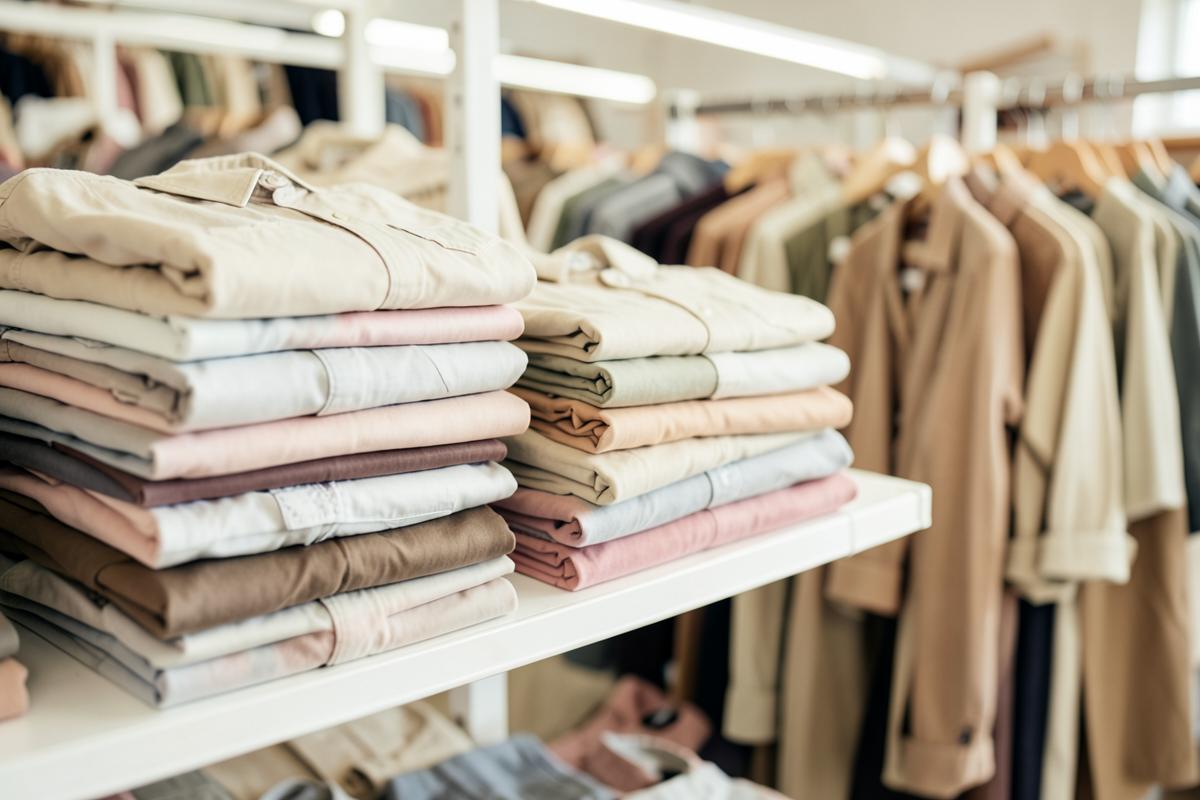
Make-to-Stock means garments are produced based on expected demand and kept as finished inventory. The flow is Demand Planning → Purchasing → Production → Inventory → Customer Order → Fulfilment.
- Demand is relatively predictable
- Products are standardised
- Customers expect quick delivery
- Finished goods can be stored efficiently
- The advantage is faster fulfilment when products are already available.
- The challenge is managing excess inventory and avoiding stockouts.
Make-to-Order vs Make-to-Stock
Neither model is automatically right for every garment manufacturer. The right choice depends on what you manufacture, how predictable your demand is and how quickly customers expect delivery.
- Production — Make-to-Order: Order-driven | Make-to-Stock: Forecast-driven
- Finished inventory — Make-to-Order: Usually lower | Make-to-Stock: Usually higher
- Customisation — Make-to-Order: Higher | Make-to-Stock: Lower
- Demand forecasting — Make-to-Order: Less critical | Make-to-Stock: More important
- Delivery — Make-to-Order: After production | Make-to-Stock: From available stock
- Inventory risk — Make-to-Order: Lower finished-stock risk | Make-to-Stock: Higher finished-stock risk
What about a hybrid model?
Many garment businesses don't have to choose just one. They can use Make-to-Stock for standard products and Make-to-Order for customised or less predictable products. This gives manufacturers flexibility while keeping popular products readily available.
- Make-to-Stock for standard products
- Make-to-Order for customised products
- Make-to-Order for less predictable products
- Keep popular products readily available
- Inventory and order visibility become more important in a hybrid model.
- The system needs to show what is available, what is committed, what needs to be produced and what materials need to be purchased.
Why software matters
Whether you use MTO, MTS or both, production shouldn't operate separately from the rest of the business. A connected garment business should link Orders → Inventory → Materials → Purchasing → Suppliers → GRN → Fulfilment.
- Understand what has been ordered
- Understand what is required to deliver an order
- Connect production with inventory
- Connect production with purchasing
- Maintain visibility across suppliers, GRN and fulfilment
- Garment manufacturing software helps connect these processes.
How DailyCRM helps
DailyCRM connects the key processes involved in running a garment business. Whether your business follows Make-to-Order, Make-to-Stock or a combination of both, DailyCRM keeps the information connected.
- Products & Catalogues
- Customer Orders
- Inventory
- Materials
- Purchase Orders
- Suppliers
- GRN
- Fulfilment
Frequently Asked Questions
Common questions about Make-to-Order and Make-to-Stock in garment manufacturing.
- What is Make-to-Order in garment manufacturing? — Make-to-Order means garments are produced after a confirmed customer order is received.
- What is Make-to-Stock? — Make-to-Stock means garments are produced based on expected demand and stored as finished inventory.
- Which is better for garment manufacturers? — There is no single model that works for every business. The choice depends on demand, product type, customisation and delivery requirements.
- Can a garment manufacturer use both? — Yes. Many businesses can combine MTO and MTS depending on the product or customer requirement.
Takeaway
The choice between Make-to-Order and Make-to-Stock depends on demand, product type, customisation and delivery requirements. Many garment businesses can combine both models while keeping orders, inventory, materials, purchasing and fulfilment connected.
Topics in this article
- Garment Manufacturing
- Make-to-Order
- Make-to-Stock
- Garment ERP
- Garment Production
- Garment Software