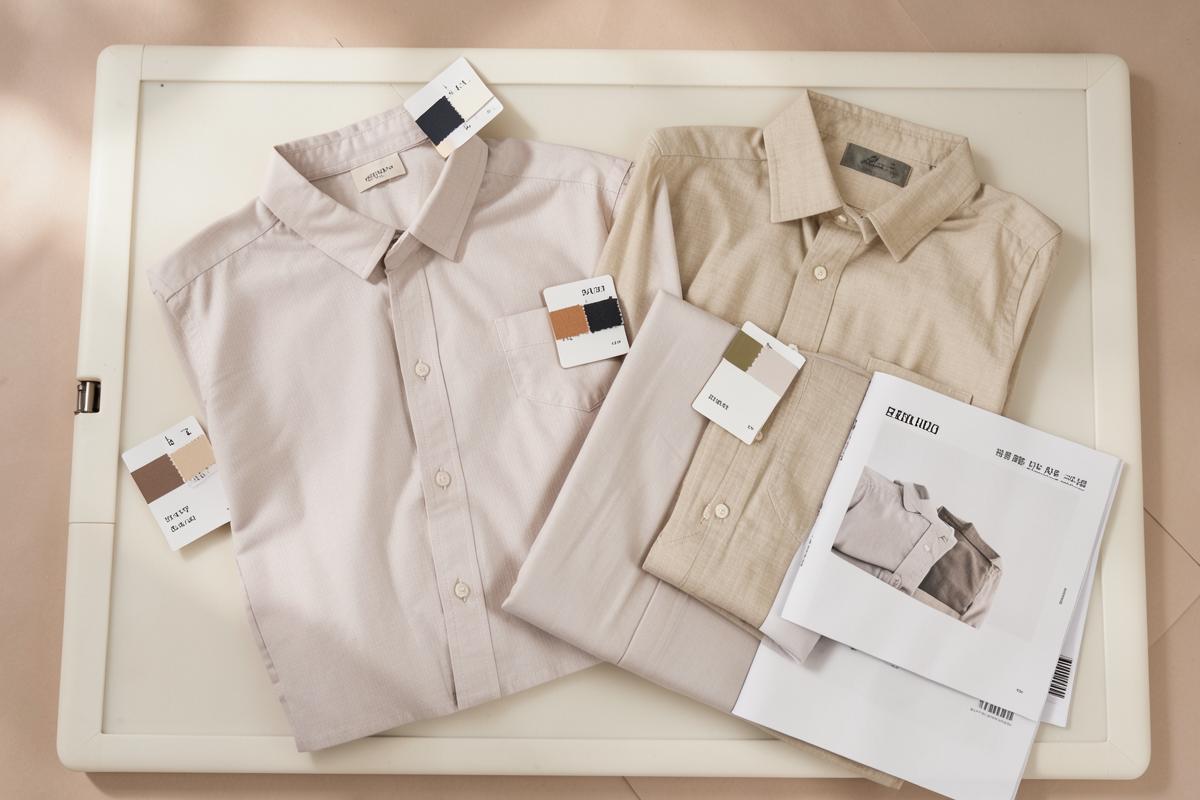
Style, variant, SKU
The style holds what is common - fabric, fit, construction, consumption, HSN code, images. The variant holds size and colour. The SKU is the variant you actually count and sell. Keeping those three layers distinct means a price change or a photo update happens once.
- Style level: fabric, consumption, costing, HSN, images
- Variant level: size, colour, barcode, stock, rate exceptions
- Size sets defined per style so grids stay consistent
Do not encode everything in the code
Codes that try to carry season, fabric, fit and buyer become unreadable and get abbreviated differently by each person. Keep the code short and stable, and let fields carry the detail so they stay searchable.
One product master, many outputs
Inventory, order confirmation, packing lists, invoices and catalogues should all read the same product record. When catalogues are built from live data instead of a separate deck, the rate a customer sees is the rate you actually charge.
Takeaway
Separate style, variant and SKU cleanly, keep codes short, and generate every output from one product master.
Topics in this article
- SKU
- size sets
- colourways
- product master