The shortfall is a material requirement
When an order needs 1,200 pieces and 740 are in stock, the remaining 460 is not just a production number. Multiplied by consumption per style it is metres of fabric, counts of trims, labels and packaging - a purchase list that can be raised the same day.
- Consumption stored on the style, not in someone's memory
- Shortfall converted automatically into material requirements
- Existing material stock netted off before raising a purchase order
Netting off what you already hold
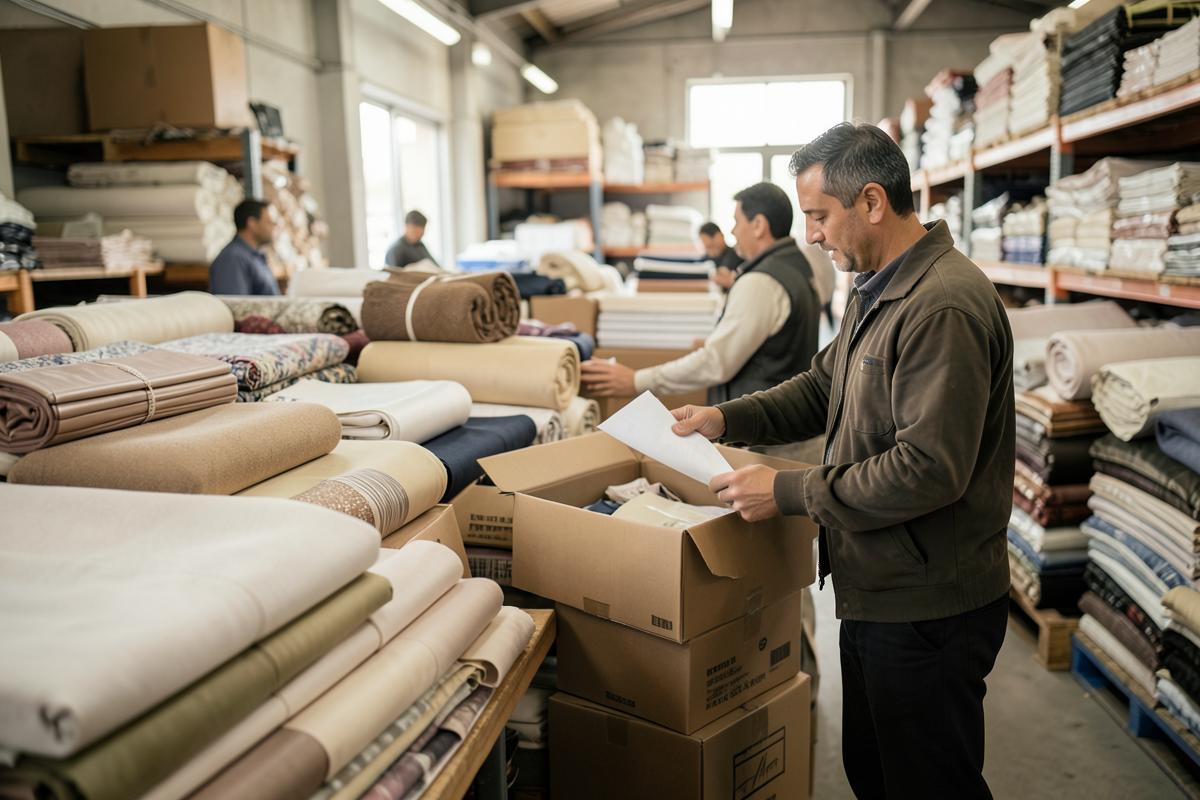
Raising a purchase order for fabric that is already in the godown is as costly as running short. Because material stock and requirements sit in the same system, the purchase quantity is the true gap after existing stock and open purchase orders are accounted for.
Lead time is part of the decision
Choosing a supplier on price alone works until the delivery date matters. Past lead times and quality notes on the supplier record let the buyer weigh cost against the risk of missing dispatch.
Takeaway
A shortfall should generate a purchase list, not a phone call. Consumption data belongs next to the order.
Topics in this article
- material planning
- fabric
- consumption
- purchase order